.avif)


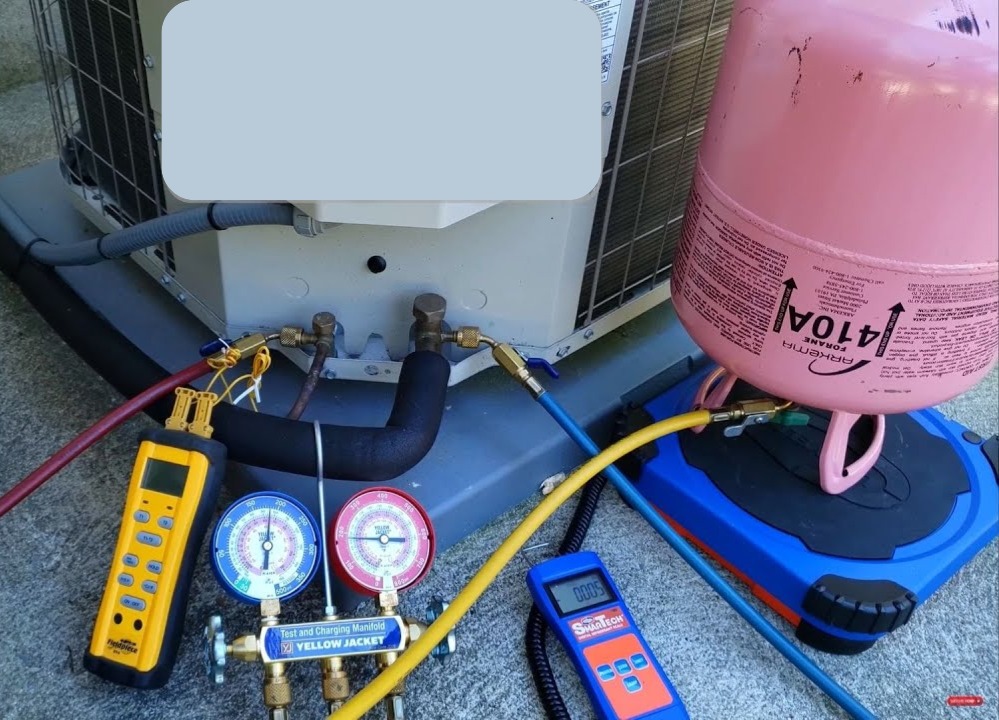
There’s nothing better than a sunny Oklahoma afternoon—until that heat follows you inside. At Lieber Mechanical, we understand that comfort at home is non-negotiable, especially during those scorching summers.
If your air conditioner just isn’t keeping up, a refrigerant leak might be to blame. Let’s break down the warning signs, what causes refrigerant leaks, and how Lieber Mechanical can help restore comfort to your home fast.
How to Tell If You Have a Refrigerant Leak
Your AC is made up of many components, and over time, things wear down. While there could be several reasons your system isn’t cooling properly, low refrigerant can be one of the culprits.
Here’s how to know if you’re dealing with a refrigerant leak:
1. Soaring Energy Bills
Have your electric bills suddenly spiked? If your AC is low on refrigerant, it’ll run longer to try to cool your home—leading to higher energy usage and bigger bills.
Lieber Tip: Compare your current bill to the same month last year. A noticeable increase could point to a problem. Schedule a diagnostic with Lieber Mechanical and we’ll get to the bottom of it.
2. Home Still Feels Warm
Even when your AC is running nonstop, does your house still feel warmer than it should? Without enough refrigerant, your system can't absorb heat properly.
Double-check your thermostat, air filters, and vents first—but if everything looks good and you’re still sweating indoors, call the pros at Lieber Mechanical to inspect your unit.
3. Humidity Hanging Around Indoors
Oklahoma summers are no joke when it comes to humidity. If it feels muggy and uncomfortable in your home even with the AC on, your unit may not be removing moisture effectively—another sign of a refrigerant issue.
4. Frozen Evaporator Coils
Yes, your AC coils can freeze in the middle of summer. When refrigerant levels drop too low, your system can’t absorb heat, which causes moisture on the coils to freeze.
If you spot ice on your indoor unit or your system is blowing warm air, don’t wait—contact Lieber Mechanical right away.
5. Water Leaks Around the Unit
Melting ice on frozen coils doesn’t just disappear—it drips onto the floor. If you notice pooling water near your unit, it might be the result of frozen coils thawing out due to a refrigerant issue.
6. No Cold Air from Vents
Hold your hand up to a vent. Is the air coming out cool, or barely noticeable? When refrigerant is low, your AC simply can’t produce cold air.
7. Hissing or Bubbling Sounds
Refrigerant leaks are often accompanied by a hissing sound, caused by gas escaping from cracks or holes in the coils. In some cases, you might even see tiny bubbles forming around the leak.
These signs aren’t just annoying—they’re serious indicators that your system needs immediate attention.
What Causes Refrigerant Leaks?
Refrigerant leaks don’t just happen out of nowhere. Here are a few common causes we see at Lieber Mechanical:
- Aging Equipment: Older systems naturally develop weak spots, especially around joints and connections.
- Vibration: Your unit vibrates while operating, and over time, those small movements can loosen connections and create leaks.
- Outdoor Damage: Landscaping or lawn equipment can accidentally damage refrigerant lines—especially if they’re hidden under dirt or mulch.
- Poor Maintenance: Dirt and debris inside your system can cause corrosion over time, increasing the risk of leaks.
- Outdated Refrigerant (R-22): If your system still uses R-22 (commonly known as Freon), be aware—it’s been phased out in the U.S. since 2020. Refilling with R-22 is expensive and temporary. Upgrading to a system that uses modern refrigerant like R-410A is often the smarter investment.
Don’t Wait—Protect Your System with Preventative Maintenance
Refrigerant leaks aren’t just inconvenient—they can cause long-term damage if not addressed quickly. At Lieber Mechanical, we offer affordable HVAC maintenance plans that include twice-yearly checkups, thorough inspections, and system cleaning.
✅ Regular maintenance can catch small problems before they turn into expensive repairs.
✅ Our trained technicians know exactly what to look for—including early signs of refrigerant leaks.